
Lip Exfoliation Guide: How to Do It, How Often & What to Use
Your lips deserve the same attention as the rest of your skincare routine, yet exfoliation is one of the most overlooked steps. Here's the thing: achieving soft lips doesn't require complicated routines or expensive products.
Understanding how lip exfoliation works can transform your entire lip care game—effortlessly.
What Is Lip Exfoliation and Why Does It Matter?
Lip exfoliation is the process of removing dead skin cells from the surface of your lips. Unlike the rest of your face, your lips don't have oil glands, which means they can't self-moisturize. This makes them prone to dryness, flaking, and that rough texture that no amount of product seems to fix.
When dead skin on lips builds up, it creates a barrier that prevents your moisturizing products from actually penetrating where they need to go. You could be applying the most luxurious lip balm every hour, but if you're just coating layers of dead skin, you're wasting your time and product.
Regular exfoliation removes this barrier, allowing your lips to actually absorb the hydration you're giving them. The result? Smoother texture, better color, and lips that actually respond to your lip care products.
When Should You Exfoliate Your Lips?
Timing matters more than you think.
If you're dealing with peeling lips that won't seem to heal no matter what you do, exfoliation might be exactly what you need. That stubborn flakiness often signals that dead skin is preventing your products from working effectively.
When your lips are so dry that they can't absorb anything anymore, the surface layer has essentially become a dead barrier. Sometimes the solution isn't more moisturizer—it's removing what's blocking it in the first place. If this sounds familiar and your chapped lips won't heal, there might be deeper causes at play beyond just needing exfoliation.
However, there's an important distinction to make. If your lips are actively cracked, bleeding, or severely inflamed, hold off on exfoliation until they've healed.
The best time to exfoliate is when:
Your lips feel rough or bumpy to the touch
Lipstick or lip products apply unevenly
Your lip balm sits on the surface rather than absorbing
You notice visible flaking or buildup
Different Methods of Lip Exfoliation
Not all exfoliation is created equal, and your lips require a gentler approach than the rest of your face. Here are the main methods that actually work:
Physical Exfoliation
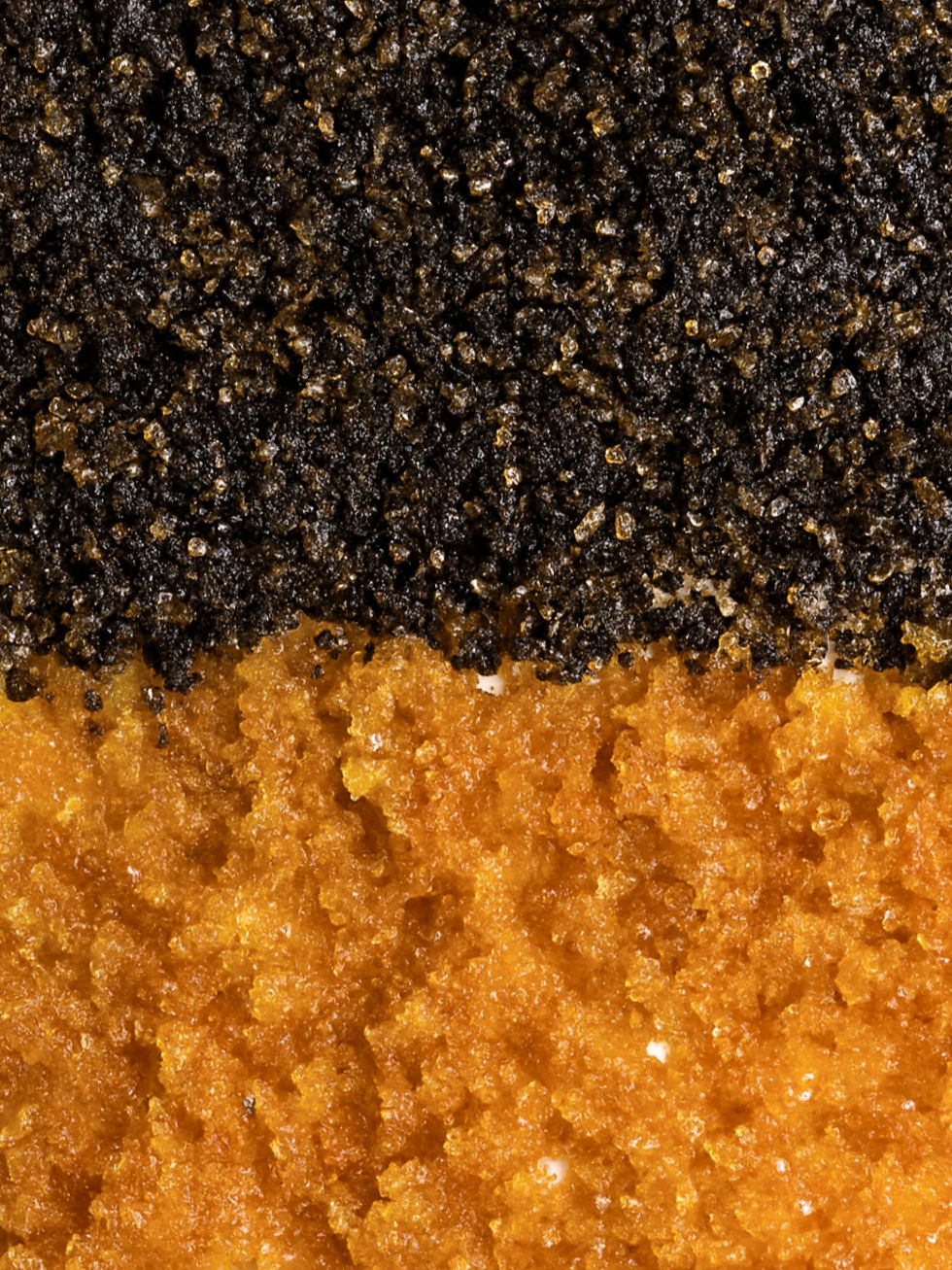
This involves using a textured product or tool to manually buff away dead skin. You might be most familiar with lip scrubs. They use fine particles (sugar, salt, or other granules) combined with oils to polish the lip surface.
Chemical Exfoliation
Chemical exfoliants use acids (typically AHAs like lactic acid or glycolic acid) to dissolve the bonds between dead skin cells. These are gentler than they sound and work particularly well for sensitive lips.
Enzymatic Exfoliation
Fruit enzymes (like papaya or pineapple enzymes) break down dead skin proteins without the need for scrubbing. This is the gentlest option available.
What About Common DIY Methods?
Let's address the elephant in the room: using your toothbrush on your lips.
You've probably seen this hack circulating online, but here's the truth—your toothbrush bristles are far too harsh for the delicate skin on your lips. The lip surface is significantly thinner than facial skin so it's extremely vulnerable to damage.
When you exfoliate lips with toothbrush bristles, you're likely causing micro-tears, irritation, and actually worsening the dryness you're trying to fix. It's not worth the risk, and dermatologists consistently warn against this popular method.

How to Exfoliate Lips Properly
The technique is just as important as the product. Here's the right way to do it:
Start with damp lips. Either exfoliate after a shower or dampen your lips with warm water. This softens dead skin and makes removal easier.
Apply your exfoliant. Whether using a lip scrub or chemical exfoliant, use a small amount. You can exfoliate with your finger using gentle circular motions—your fingertip provides the perfect amount of pressure without overdoing it.
Be gentle. Use light pressure and small, circular movements. You should never feel pain or see redness. If you do, you're being too aggressive.
Time it right. 30 seconds to one minute is sufficient. More isn't better.
Rinse thoroughly. Remove all product residue with lukewarm water. Pat dry gently.
Hydrate immediately. This step is non-negotiable (more on this below).
Lip Scrub Benefits
Lip scrubs offer several advantages when used correctly.
They provide immediate visible results—you'll notice smoother lips right after use. The physical action combined with nourishing oils means you're removing dead skin while simultaneously conditioning the new, fresh skin underneath.
Quality lip scrubs are formulated specifically for the delicate lip area, unlike harsh facial scrubs that might be too abrasive. They're also convenient and portable, making them easy to incorporate into your routine.
If you want to understand the full scope of lip scrub benefits, there's a lot more to unpack about the long-term transformation this simple step creates.
Are lip scrubs worth it?
For most people, yes. If you struggle with rough texture, uneven lipstick application, or products that don't seem to absorb, a good lip scrub can solve these issues quickly. They're relatively inexpensive, last a long time, and provide immediate soft lips!
If you prefer a natural lip exfoliator, you have excellent options that can be just as effective as store-bought products. The key is understanding what ingredients actually work and which ones are just marketing fluff.
Focus on these proven ingredients:
Sugar or brown sugar - Fine granules that dissolve as you use them
Coconut oil or jojoba oil - Moisturizing bases that won't strip lips
Vitamin E - Antioxidant protection and healing
What to avoid in natural formulas:
Excessive fragrance
Salt - too harsh for most people's lips
Lemon juice - too acidic and can cause photosensitivity
Cinnamon oil - common irritant
The beauty of making your own treatments is that you control exactly what goes on your lips. Honestly, some of the most effective formulas are sitting in your kitchen right now.
How Often Should a Lip Scrub Be Used?
This is where most people go wrong. More exfoliation isn't better. In fact, it can make things worse.
For most people: 2-3 times per week is ideal.
For sensitive lips: Once per week or even every 10 days.
For very dry lips: You might think you need daily exfoliation, but this will actually increase sensitivity. Stick to 2-3 times per week maximum, and focus on better hydration between sessions.
Your lips will tell you if you're overdoing it.
Never exfoliate:
More than once per day
On sunburned lips
On lips with active cold sores
On cracked or bleeding lips
What to Do After Exfoliating Lips (Critical Step)
This is the step that determines whether your exfoliation session was worth it or wasted.
After exfoliation, your lips have freshly exposed skin with open pores that are incredibly receptive to products. You have a small window—approximately 2 minutes—where absorption is at its peak.
Why This Matters
Think of exfoliation as opening doors. If you don't walk through them quickly, they close. That newly revealed skin needs immediate protection and hydration, or it will dry out even faster than before you exfoliated.
What To Apply Immediately
Lip oils are your best friend here. They penetrate quickly and provide deep hydration. Their molecular structure allows them to sink into those open pores and deliver nutrients where they're needed most.
Other good options: hyaluronic acid lip serums, lightweight lip treatments with ceramides, or products with squalane or rosehip oil.
What NOT To Apply
Thick, petroleum-based balms right away (they can trap dry skin underneath), matte lipsticks (way too drying), products with fragrance or menthol (can irritate freshly exfoliated skin), or worst of all—nothing at all.

What Are the Side Effects of Lip Scrub?
When used correctly, lip scrubs are safe and beneficial. However, misuse can lead to several issues:
Increased sensitivity: Over-exfoliation removes not just dead skin but also protective layers, leaving lips vulnerable to environmental irritants and temperature changes.
Inflammation and redness: Too-frequent exfoliation or using products that are too abrasive can cause visible irritation that takes days to heal.
Paradoxical dryness: Removing too many layers of skin triggers your lips to produce more dead skin cells as a protective response, creating a cycle of constant flaking.
Micro-tears: Using harsh scrubs or too much pressure can create tiny wounds that you can't see but that compromise your lip barrier.
Increased sun sensitivity: Freshly exfoliated lips are more vulnerable to UV damage. Always use an SPF lip balm, especially in the 24 hours after exfoliation.
Allergic reactions: Some people react to specific ingredients in scrubs, particularly fragrances, essential oils, or certain fruit enzymes.
Bottom Line
Achieving soft lips through proper exfoliation isn't complicated—it just requires understanding your lips' unique needs and treating them with the gentle care they deserve.
Start with once-weekly exfoliation, pay attention to how your lips respond, and adjust from there. The right routine, done consistently, will give you the smooth, hydrated lips you've been chasing, effortlessly.

Comments